How to Create Your Flight Plan
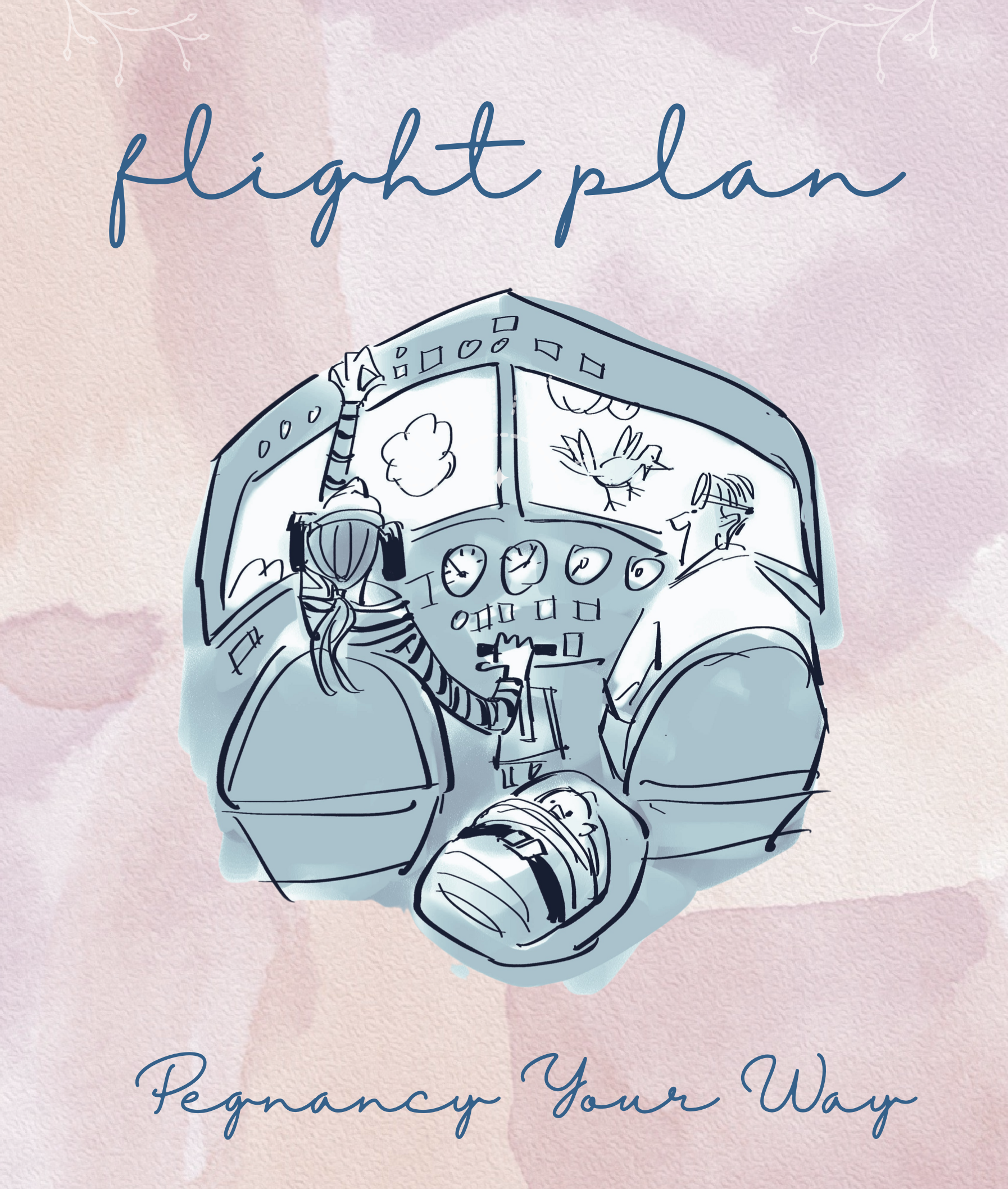
There is much talk about birth plans and there are hundreds of examples of birth plans online. The thing to remember about birth plans is that they cover a couple of days in your pregnancy. I encourage you to learn what you need to know for a safe pregnancy and delivery, and even up to a full year after your baby is born. Some of the worst complications of pregnancy occur after you get home from the hospital. In many other countries women are followed after the birth of their baby for a full year. I strongly recommend you plan for the consequences of your pregnancy and delivery, not just your day or so in the hospital delivering your baby.
I’ve created suggested topics to include in your flight plan, topics I believe are important for you to understand so that you can make informed decisions. These suggestions are ones I consider important as a physician.
Some birth plans include decisions about whether you wear your street clothes or a hospital gown during delivery. You may make these decisions and include them in your birth plan. This decision to wear street clothes will not have any impact upon your safety. The topics I suggest you include in your flight plan concern those decisions you will need to make along with your physician to help bring about the kind of experience you envision for yourself.
Clearly, you may want to have a natural delivery, but you will also need to be ready to accept changes in your carefully thought-out plans. In my experience, about 90 percent of the choices you make in this flight plan will turn out as you want. In fact, there are a couple of recommendations if you are trying to get pregnant.
So in your flight plan gather the information you need and plan for your pregnancy, labor and delivery, and yes, plan for the changes in your life brought with your new baby for a full year after your delivery.
If You Are Planning to Become Pregnant
Yes, you should start thinking about your flight plan even before you become pregnant.
- Record what your blood pressure is before you become pregnant so you have a benchmark during your
- Consider taking folic acid. Neural tube defects occur so early in a pregnancy that by the time you know you are pregnant, the problem will have occurred.
- If you don’t already journal, this would be a good time to
You may want to purchase one of the many flight plan notebooks available everywhere. There’s no reason not to, at least for planning your labor and delivery.
But I suggest you purchase a large spiral binder, the kind made for college notetaking. You can divide it into sections or arrange your information in a way you find convenient.
The spiral notebook also leaves plenty of room for journaling, an activity which is only becoming recognized for its importance in pregnancy and in preventing postpartum depression.
Planning a Safe Pregnancy
- Interview obstetricians until you find one you feel you can feel comfortable with and can
- Check with your family members for conditions which may put you or your baby at risk. That includes a family history of early heart attacks, genetic diseases, and
- Write down your own obstetric history. Miscarriages. Stillbirths. Children and how they were
- Try to keep your weight gain at two to three pounds per
- If you vomit more than once or can’t eat, see your
- Know your Are they normal, and if not, what will be done about them.
- Begin work on your birth This is a one-page document you will be taking to the hospital when you are in labor.
Creating Your Birth Plan
- Avoid the checklist
- Put your name at the top, the name of your physician, and list any people you want to be with you during your labor and
- Take a copy of your prenatal healthcare records with
- Decide whether you want to be able to walk around during labor rather than being confined to a bed and note your preference in your birth plan.
- If you have decided on a natural labor and delivery without epidural pain medication, put that in your birth plan. Discuss this with your physician. State that if you decide you want pain medication, you will let your doctor know.
- State your position on medications to augment your labor based upon a discussion with your doctor.
- If you would like your baby to be in your room with you, put that in your birth
- Discuss with your doctor recommendations about how to handle the cord and put your decision in your birth.
Postpartum Plans
- Before you leave the hospital, have a division of labor plan with your
- Call your doctor if you fill more than one maxipad per
- Crying babies are usually hungry. If your milk hasn’t come in yet and your baby is hungry, supplement with formula.
- Stay regular with prune juice or apple.
- Continue journaling.
- Watch for the baby If you feel unable to deal with taking care of your baby or overwhelmed, call your doctor. Postpartum depression can develop for up to a year after your baby is born.
For more information about safe pregnancies, please check out
Dr. Lindemann’s book Pregnancy Your Way: Have a Safe and Happy Birth.